
Post Disclaimer
This post contains affiliate links. If you buy something through these links, I may earn a small commission at no extra cost to you. Full disclosure.
This article is for informational purposes only and does not constitute medical advice. Always consult a healthcare professional for personal health concerns. Full disclaimer.
Last updated: June 19, 2026
Quick Answer: To sleep early without lying awake frustrated, shift your bedtime gradually – by 15 to 30 minutes every few nights rather than all at once. Pair that with morning light exposure, a consistent wake time, and a wind-down routine that starts before you feel tired. The goal isn’t to force sleep. It’s to stop fighting your body’s clock and start working with it.
Key Takeaways
- Shifting your bedtime by 15-30 minutes every few nights is more effective than jumping straight to an early bedtime [1]
- A fixed wake time – even on weekends – is the single most powerful lever for resetting your sleep schedule [2]
- Morning light exposure helps anchor your circadian rhythm earlier in the day [2]
- Melatonin can help with timing, but it won’t fix the underlying causes of late-night wakefulness
- Going to bed much earlier than usual after a bad night often backfires and causes early-morning waking [6]
- Food, exercise, caffeine timing, and room temperature all affect how quickly you fall asleep
- If you’ve been a night owl your whole life, your chronotype is real – but it’s not completely fixed
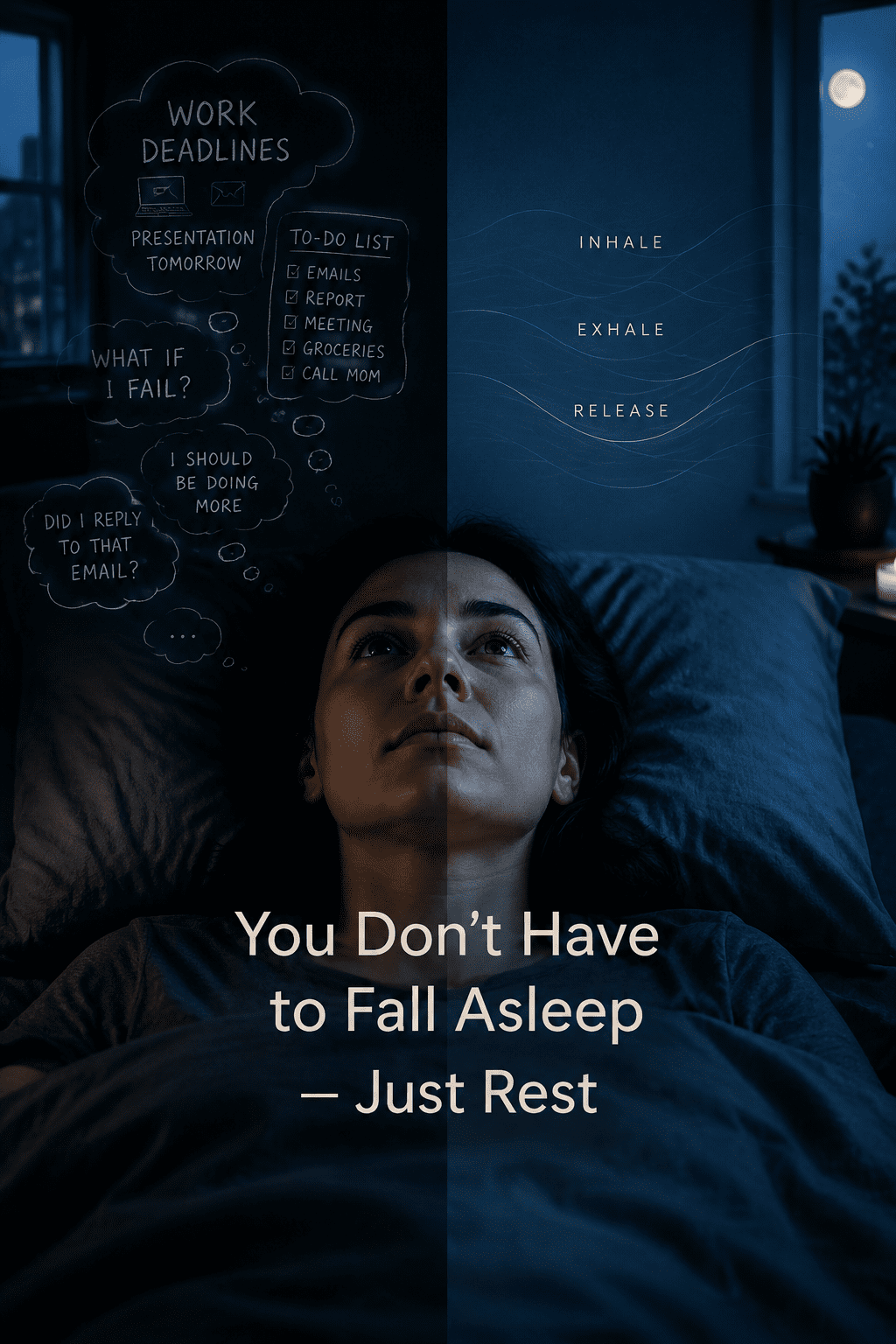
- You don’t have to fall asleep the moment your head hits the pillow. You just have to rest.
Why Is It So Hard to Fall Asleep Early
Most people who struggle to sleep early aren’t doing anything wrong. Their body’s internal clock – the circadian rhythm – is simply set later than they’d like. This isn’t a discipline problem. It’s biology.
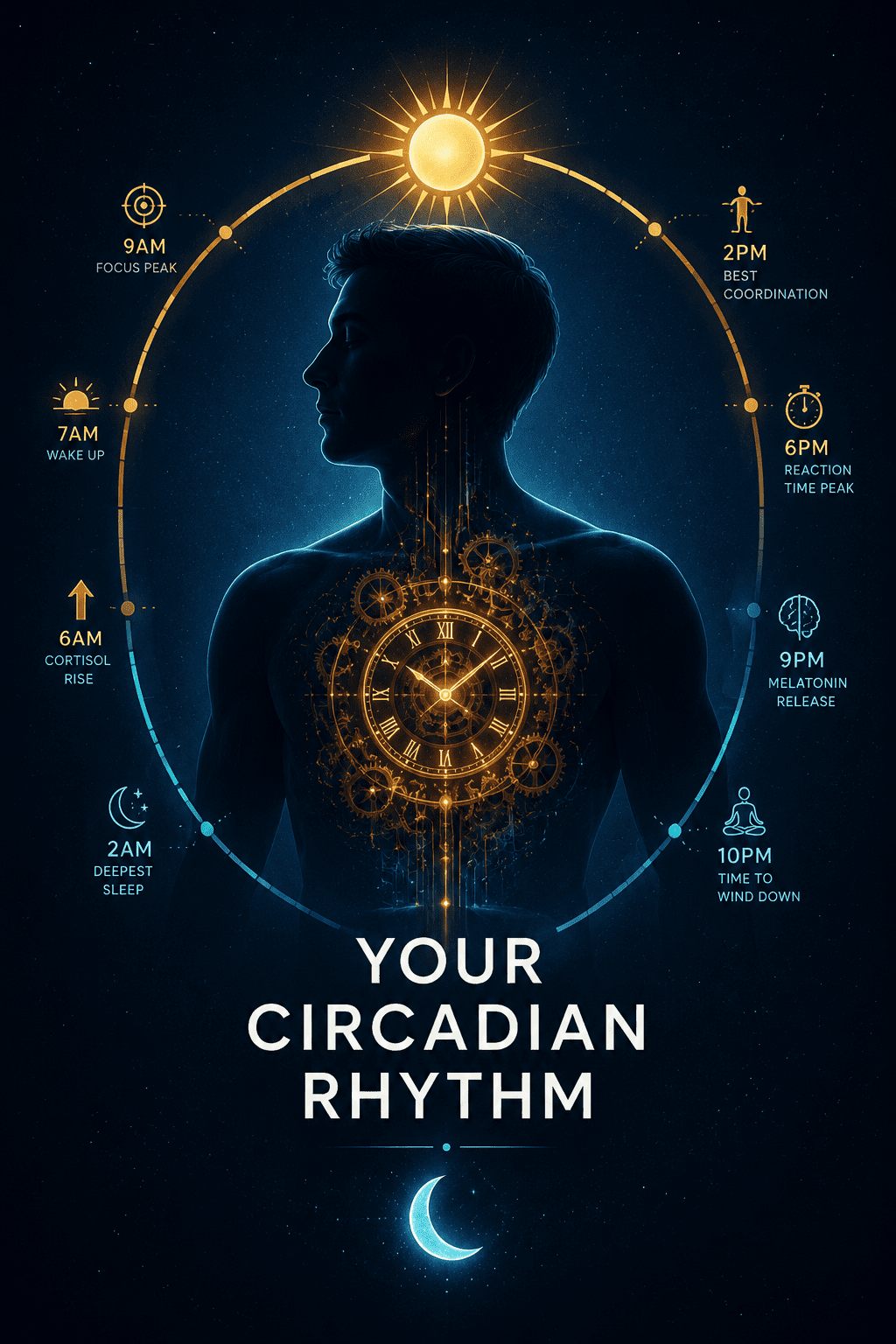
Your circadian rhythm controls when your brain releases melatonin, when your core body temperature drops, and when you actually feel sleepy. If your rhythm is set to 1am, lying down at 10pm doesn’t override that. You’ll lie there awake, which makes the whole thing worse.
There’s also something called sleep pressure – the buildup of adenosine in your brain that makes you feel genuinely tired. If you haven’t been awake long enough, that pressure isn’t high enough to carry you into sleep, no matter how dark and quiet your room is.
The honest version is: your body isn’t broken. It’s just running on a schedule that doesn’t match your life. And that’s fixable – but not overnight.
If you’ve been dealing with this for a while and you’re not sure whether it’s a sleep schedule issue or something deeper, it’s worth reading about what causes lack of sleep before assuming you just need better habits.
What Happens to Your Body When You Start Sleeping Earlier
When you shift to an earlier sleep schedule, your body goes through a real adjustment period – usually five to ten days. During that window, you might feel groggy in the mornings, have trouble falling asleep at the new time, or wake earlier than you want.
That’s normal. Your circadian rhythm is recalibrating.
Once it settles, the benefits are real. Earlier sleep tends to align better with natural light cycles, which means more consistent melatonin release and more time in the deeper, restorative stages of sleep. You’re also less likely to eat late, which reduces the cortisol spikes that fragment sleep in the second half of the night.
The reason this matters is that sleep quality isn’t just about hours – it’s about timing. Sleeping from 10pm to 6am is physiologically different from sleeping 2am to 10am, even if both add up to eight hours. Your body does different repair work at different points in the night.
How Much Earlier Should You Actually Try to Go to Bed
Don’t try to shift more than 30 minutes at a time. Experts recommend moving your bedtime and wake time earlier by 15 to 30 minutes every two to three days, rather than making a sudden jump [1]. Adjusting by 20 minutes per night is another approach that works well for people who need a faster shift [8].
The right target depends on when you need to wake up. Work backward from your wake time and aim for at least seven hours – ideally seven and a half to eight. If you need to be up at 6:30am, your target bedtime is somewhere between 10pm and 11pm.
Start with a modest goal. If you’re currently falling asleep at 1am, aiming for 10pm in week one is going to fail. Aim for 12:30am first. Get that stable. Then move again.
In practice this means: adjust your bedtime alarm – not just your morning alarm – and treat it as a signal to start winding down, not to be asleep [3].
Best Tips for Shifting Your Sleep Schedule Gradually
Here’s what the research actually says works, and what I’ve found actually holds up over time when you’re dealing with a stubborn sleep schedule.
The non-negotiables:
- Fix your wake time first. Before you worry about bedtime, pick a consistent wake time and hold it every day – including weekends. This is what anchors your rhythm [2].
- Get outside in the morning. Even ten minutes of natural light within an hour of waking helps shift your circadian clock earlier [2]. This is one of the most underused tools for sleep timing.
- Set a wind-down alarm. A bedtime alarm that goes off 45-60 minutes before you want to be asleep tells your brain the day is ending [3]. It sounds simple. It works.
- Move your body during the day. Regular physical activity increases sleep pressure, making it easier to fall asleep at an earlier time [4]. Timing matters – morning or afternoon exercise is better than late evening.
- Cut caffeine by early afternoon. Caffeine has a half-life of roughly five to six hours. If you’re drinking coffee at 3pm, half of it is still in your system at 8pm [2].
Worth trying if you’re a few weeks in and still struggling:
- Drop your room temperature to around 65-68°F (18-20°C). Your core body temperature needs to fall to initiate sleep, and a cool room helps that happen faster [2].
- Dim your lights after 8pm. Not just screens – overhead lights too. Bright light at night suppresses melatonin and keeps your clock running late.
For a deeper look at building the actual routine around these habits, the bedtime routine guide for adults who struggle to wind down is worth reading.

Do Melatonin Supplements Really Help With Going to Bed Sooner
Melatonin can help – but not in the way most people use it. It’s a timing signal, not a sedative. Taking a large dose (5-10mg) right at bedtime is probably doing less than you think.
The research suggests that low doses (0.5-1mg) taken one to two hours before your target bedtime are more effective for shifting your sleep schedule earlier. You’re essentially sending your brain an early signal that night is coming.
Melatonin is most useful when you’re trying to shift your clock – like adjusting after jet lag or moving your bedtime earlier by an hour or more. It’s less useful if your problem is anxiety, racing thoughts, or pain keeping you awake. Those need different solutions.
Medical disclaimer: Melatonin supplements are generally considered safe for short-term use, but if you’re taking other medications or have a health condition, check with your doctor before starting.
Is It Better to Sleep Early or Just Get 8 Hours
Both matter, but timing adds something that total hours alone don’t. The “7:1 sleep rule” – a minimum of seven hours per night, with a consistent bedtime within a one-hour window at least five nights per week – has been associated with better sleep quality and long-term health outcomes [7].
The honest version is: consistently getting seven to eight hours at a stable, earlier time is better than getting eight hours at wildly inconsistent times. Irregular sleep schedules disrupt your circadian rhythm even when total sleep is adequate.
That said, if you’re choosing between sleeping eight hours on a late schedule versus six hours on an early one – take the eight hours. Total sleep matters too.
Common Mistakes People Make When Trying to Sleep Earlier
Going to bed too early after a bad night. This is a trap. If you slept badly and go to bed an hour earlier the next night to “catch up,” you’re likely to lie awake or wake at 3am because your sleep pressure isn’t high enough [6]. Stay close to your target bedtime even after rough nights.
Trying to force sleep. The harder you try to fall asleep, the more alert your nervous system becomes. This is called sleep effort, and it’s one of the core mechanisms behind chronic insomnia. You don’t have to fall asleep – you just have to rest.
Inconsistent weekends. Sleeping in two hours on Saturday and Sunday is enough to shift your circadian rhythm later – a phenomenon sometimes called social jet lag. Monday night becomes nearly impossible [2].
Doing too much in bed. Reading, scrolling, watching TV in bed weakens the mental association between your bed and sleep [5]. Your brain starts treating bed as a general lounging zone rather than a sleep cue.
Jumping too far too fast. Moving your bedtime by two hours in one night almost never works. The gradual approach – 15 to 30 minutes every few days – is slower but actually sticks [1].
How Night Owls Can Successfully Shift Earlier
If you’ve been a night owl your whole life, your chronotype is partly genetic. But it’s not permanent. The circadian rhythm is trainable – it just takes longer and requires more consistency than most advice suggests.
This is what worked for me: I stopped trying to fix my bedtime and started fixing my wake time. I set an alarm for the same time every morning and got outside within 30 minutes. Within two weeks, I was genuinely tired earlier in the evening – not because I forced it, but because my sleep pressure was building from an earlier start.
Night owls also tend to be more sensitive to evening light. Dimming your environment aggressively after 8pm – not just your phone, but lamps and overhead lights – makes a real difference. Pair that with avoiding caffeine after noon and you’re giving your body a fighting chance.
It’s not just you if this feels harder than it should. For true night owls, shifting earlier by even one hour can take three to four weeks of consistent effort.
What Technology or Apps Can Help Track Your Sleep Schedule
Sleep trackers – whether a wearable like a Fitbit, Oura Ring, or Apple Watch, or a phone app like Sleep Cycle – can help you spot patterns you’d otherwise miss. When are you actually falling asleep? How long does it take? Are you waking at a consistent time?
That data is useful. But don’t let it become another source of anxiety. Obsessing over sleep scores can make sleep worse – there’s a term for this: orthosomnia.
Use trackers to identify trends over weeks, not to judge individual nights. If your tracker shows you’re consistently falling asleep at 12:30am even when you’re in bed at 11pm, that’s useful information. It tells you your sleep pressure or circadian timing isn’t aligned with your target yet.
Foods and Drinks That Make Falling Asleep Earlier Easier
No single food is going to fix your sleep schedule. But some choices in the evening genuinely help, and some genuinely don’t.
Worth trying:
- Tart cherry juice contains natural melatonin and has some evidence behind it for improving sleep timing
- Kiwi fruit – a small study found eating two kiwis an hour before bed improved sleep onset and duration
- Chamomile tea – mild anxiolytic effect, and the warmth helps lower alertness
- Foods with tryptophan (turkey, eggs, nuts) support serotonin and melatonin production
Avoid in the evening:
- Alcohol – it helps you fall asleep but fragments the second half of your night badly
- Heavy meals within two hours of bed – digestion raises core body temperature and delays sleep onset
- Caffeine after 1-2pm if you’re sensitive to it
How Early Sleeping Affects Work Productivity
Here’s what the research actually says: people who sleep earlier and wake earlier tend to report better mood, faster reaction times, and higher cognitive performance during morning hours – which is when most knowledge work happens.
A consistent early sleep schedule also reduces the cognitive drag of social jet lag, which quietly affects concentration and decision-making even when you don’t feel tired.
The caveat is that forced early rising without enough sleep does the opposite. Waking at 5am on five hours of sleep isn’t productive – it’s just tiring. The goal is earlier sleep and adequate duration, not just an earlier alarm.
What to Do If You Still Can’t Fall Asleep When You Go to Bed Early
This is the most frustrating version of the problem. You do everything right – you go to bed at 10pm, the room is dark and cool, your phone is in another room – and you lie there for an hour, wide awake.
A few things to check:
- Your sleep pressure might not be high enough yet. If you’re going to bed earlier than your body is used to, it may take one to two weeks before you feel genuinely tired at that time. Hold the wake time. The sleepiness will come.
- Anxiety and racing thoughts are a separate issue. If your mind is running when you lie down, that’s not a sleep schedule problem – it’s a nervous system problem. The guide on insomnia and overthinking goes into this specifically.
- Get out of bed if you’ve been awake for 20+ minutes. This is a core principle of CBT-I (Cognitive Behavioral Therapy for Insomnia). Lying awake in bed teaches your brain that bed is a place for wakefulness. Get up, do something calm in low light, and return when you feel sleepy.
If you’re not sure whether what you’re experiencing is insomnia or a sleep schedule issue, it’s worth taking a proper assessment.
If you’ve been dealing with these symptoms for more than two weeks, consider taking this free anonymous test to better understand what’s going on with your sleep: Take the insomnia evaluation here. It only takes a few minutes and asks you to rate how you’ve felt over the past two weeks. No signup required.
For more on why this happens even when you’re doing everything right, this piece on why you can’t sleep even when you go to bed on time is one of the most useful things I’ve written.
FAQ
How long does it take to shift your sleep schedule earlier?
Most people see a noticeable shift within one to two weeks if they’re consistent with wake time and morning light exposure. A full adjustment – where the new bedtime feels natural – usually takes three to four weeks.
Can I sleep early on weekdays and sleep in on weekends?
Not without consequences. Sleeping in even 90 minutes on weekends is enough to push your circadian rhythm later, making Monday night harder. Consistency across all seven days is what actually works [2].
Is it bad to go to bed at 8pm or 9pm?
Not inherently. If that timing gives you seven to nine hours before your natural wake time and you feel rested, it’s fine. The issue is if you’re going to bed that early but still waking at 3am – that may indicate you’re going to bed before your sleep pressure is adequate.
Does exercising at night make it harder to sleep early?
Vigorous exercise within two to three hours of bedtime can delay sleep onset for some people by raising core body temperature and cortisol. Morning or afternoon exercise is better for an early sleep goal [4].
Why do I wake up at 3am even when I go to bed early?
Early morning waking is often linked to going to bed too early (before sleep pressure is sufficient), alcohol consumption, or depression. It can also be a sign of sleep apnea. If it’s consistent, it’s worth investigating rather than just adjusting your schedule.
Should I nap if I’m trying to sleep earlier?
Short naps (20 minutes or less) before 2pm are unlikely to interfere. Long naps or late-afternoon naps reduce sleep pressure and make it harder to fall asleep at your target time.
What if I have a sleep disorder – will these tips still work?
Some will, some won’t. Circadian rhythm disorders, sleep apnea, and clinical insomnia all require different approaches. If you’ve tried consistent schedules and good sleep habits for several weeks without improvement, a sleep specialist or your GP is the right next step.
Is melatonin safe to take every night?
Short-term use is generally considered safe. Long-term nightly use hasn’t been studied as thoroughly. Most sleep specialists recommend using it situationally – to shift your clock – rather than as a nightly supplement indefinitely.
Does sleeping early really improve mental health?
There’s a meaningful association between earlier sleep timing and lower rates of depression and anxiety, though causality is complex. Better sleep quality – regardless of timing – consistently improves mood and emotional regulation.
What’s the fastest way to start going to sleep earlier?
The fastest legitimate method: set a fixed early wake time immediately, get bright light first thing in the morning, avoid caffeine after noon, and dim your environment after 8pm. Move your bedtime 20-30 minutes earlier every two to three days [1][8].
Conclusion
Starting to sleep early is less about willpower and more about working with your body’s clock instead of against it. The shift doesn’t happen in one night. But it also doesn’t have to be as hard as it’s been.
Start with your wake time. Get outside in the morning. Move your bedtime back gradually – 20 to 30 minutes at a time – and hold your schedule on weekends. Those three things alone will do more than any supplement or sleep gadget.
If lying awake is the main problem, the goal isn’t to force sleep. It’s to create the conditions where sleep can happen – and then get out of its way. You don’t have to fall asleep. You just have to rest.
If you’re still struggling after a few weeks of trying, consider getting a clearer picture of what’s actually going on. This free, anonymous insomnia test takes just a few minutes and asks you to evaluate how you’ve felt over the past two weeks. It’s a useful starting point before deciding whether to seek professional support.
For next steps, these are worth reading:
- 15 ways to fall asleep faster tonight – practical, immediate changes
- How to build a sleep routine that calms your brain – the wind-down structure that supports earlier sleep
- How to fall asleep naturally without pills – if you want to reduce reliance on supplements
- Why can’t I sleep at night even when I’m tired – if the tiredness is there but sleep isn’t coming
And if you’ve been dealing with this for a while and nothing has worked, take the insomnia test. It’s free, it’s anonymous, and it might tell you something useful: https://go.online-therapy.com/SHzQ
References
[1] How To Go To Sleep Earlier In 6 Steps – https://www.tomsguide.com/wellness/sleep/how-to-go-to-sleep-earlier-in-6-steps
[2] How Can I Stop Staying Up Late – https://www.healthline.com/health/sleep/how-can-i-stop-staying-up-late
[3] How To Build A Bedtime Alarm Habit For Better Sleep Consistency – https://www.healthline.com/health/sleep/how-to-build-a-bedtime-alarm-habit-for-better-sleep-consistency
[4] I Was Struggling To Fall Asleep Yet Waking Up At 3 A.M. Until An Expert Made This Simple Change To My Routine – https://www.tomsguide.com/wellness/sleep/i-was-struggling-to-fall-asleep-yet-waking-up-at-3-a-m-until-an-expert-made-this-simple-change-to-my-routine
[5] The Bedtime Reading Habit That Could Be Behind Your 3 A.M. Wake-Ups – https://www.tomsguide.com/wellness/sleep/the-bedtime-reading-habit-that-could-be-behind-your-3-a-m-wake-ups
[6] I Kept Waking Up At 3 A.M. Until I Ditched This Healthy Sleep Habit – https://www.tomsguide.com/wellness/sleep/i-kept-waking-up-at-3-a-m-until-i-ditched-this-healthy-sleep-habit-an-expert-explains-why
[7] I Tried The 7:1 Sleep Rule Doctors Rate As The Best Way To Stop 3 A.M. Wake-Ups – https://www.tomsguide.com/wellness/sleep/i-tried-the-7-1-sleep-rule-doctors-rate-as-the-best-way-to-stop-3-a-m-wake-ups-heres-why-it-works
[8] How To Get Up Earlier – https://www.tomsguide.com/wellness/sleep/how-to-get-up-earlier