Post Disclaimer
This post contains affiliate links. If you buy something through these links, I may earn a small commission at no extra cost to you. Full disclosure.
This article is for informational purposes only and does not constitute medical advice. Always consult a healthcare professional for personal health concerns. Full disclaimer.
Last updated: June 25, 2026
Quick Answer: Most people blame stress when they can’t sleep – but stress is often just one piece of a much bigger puzzle. There are at least a dozen well-documented insomnia causes that have nothing to do with your mental state, including medications, room temperature, vitamin deficiencies, and hormonal shifts. If you’ve already tried the usual advice and you’re still staring at the ceiling, one of these might be the actual reason.
Key Takeaways
- Certain prescription and over-the-counter medications are a commonly overlooked trigger for insomnia
- Room temperature has a direct, measurable effect on sleep quality – most people sleep in rooms that are too warm
- Caffeine after 2pm can still be disrupting your sleep at midnight, even if you feel fine
- Vitamin D and magnesium deficiencies are linked to poor sleep in multiple studies
- Hormonal changes – including those not related to menopause – can quietly wreck your sleep for months
- Medical conditions like sleep apnea, restless legs syndrome, and thyroid disorders are frequent insomnia causes that often go undiagnosed
- What you eat in the three hours before bed matters more than most people realize
- Dehydration at night can cause micro-arousals that fragment your sleep without you knowing it
- Your mattress may be the problem if you sleep better in hotels or on other surfaces
- Insomnia and tiredness are not the same thing – understanding the difference matters for finding the right fix
What Causes Insomnia Besides Stress
Stress gets all the blame, but here’s what the research actually says: insomnia is rarely caused by one thing. The Sleep Foundation identifies a wide range of insomnia causes including medical conditions, medications, environmental factors, and lifestyle habits – most of which have nothing to do with how anxious you are [1].
The honest version is that stress is often the most visible cause, which is why it gets all the attention. But if you’ve worked on your anxiety and you’re still not sleeping, something else is driving it.
It’s not just you. Most people who struggle with sleep have at least two or three overlapping triggers, and identifying them is the only way to actually fix the problem. If you want a structured way to start that process, this guide on why you have insomnia and how to find your trigger is a good place to begin.
Can Certain Medications Cause Insomnia
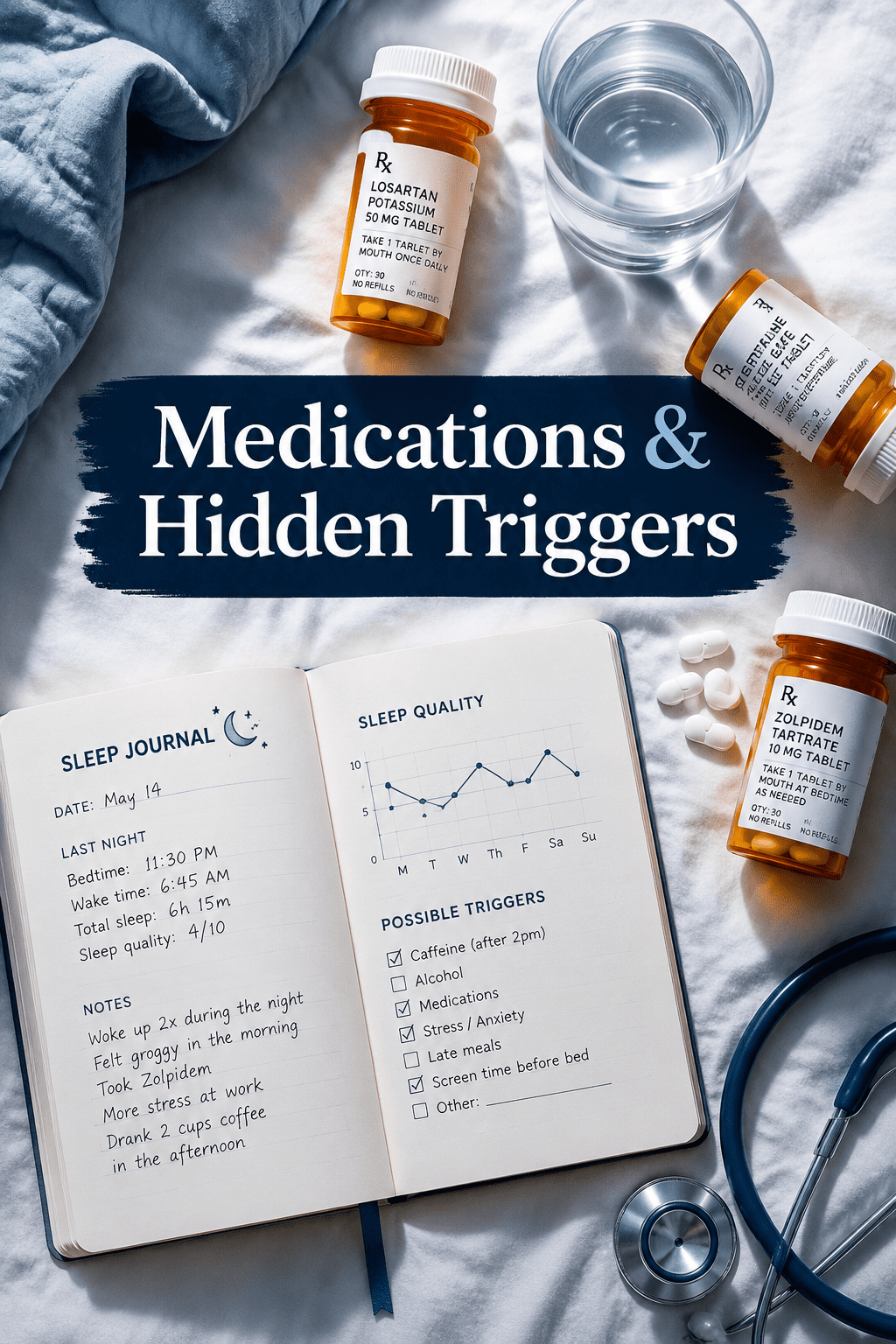
Yes – and this is one of the most underdiagnosed insomnia causes out there. Some antidepressants, beta-blockers, corticosteroids, asthma medications, and certain blood pressure drugs are all known to interfere with sleep architecture [1].
It’s not just prescription drugs either. Over-the-counter decongestants containing pseudoephedrine are stimulants. Some pain relievers contain caffeine. Even certain antihistamines, while they make you drowsy initially, can cause rebound wakefulness later in the night.
What to check:
- Review any medication you started in the past 6-12 months
- Look at the timing – some drugs taken at night are better tolerated in the morning
- Ask your prescriber specifically about sleep side effects; many people don’t think to ask
Common mistake: assuming that because a medication is prescribed for sleep-adjacent issues (like anxiety or pain), it can’t be disrupting your sleep. Some antidepressants, particularly SSRIs and SNRIs, can actually suppress REM sleep or cause vivid dreams that fragment rest [1].
Don’t stop any medication without talking to your doctor first. But do bring it up.
Does Caffeine After 2pm Really Affect Sleep
It does – and the window is longer than most people expect. Caffeine has a half-life of roughly 5-7 hours in most adults, which means a 3pm coffee still has about half its caffeine load in your system at 8-9pm [4].
I used to think I was immune to this. I’d drink coffee at 4pm, feel tired by 10pm, and assume I was fine. What I didn’t realize was that caffeine doesn’t just keep you awake – it blocks adenosine receptors, which are part of how your brain builds up sleep pressure throughout the day. Even when you eventually fall asleep, the quality is lower.
The 2pm cutoff is a reasonable rule of thumb, but some people – especially those who metabolize caffeine slowly – need to stop earlier. If you’re waking at 3 or 4am feeling wired, caffeine timing is worth looking at before anything else.
Worth trying if you’re a slow caffeine metabolizer: move your last caffeine to noon for two weeks and see what happens. The difference can be significant.
How Does Blue Light From Screens Keep You Awake
Blue light from phones, tablets, and laptops suppresses melatonin production by signaling to your brain that it’s still daytime [4]. This delays your natural sleep onset – sometimes by 1-2 hours – without you feeling it happening.
In practice this means you might feel tired but not sleepy. Your body is fatigued but your brain hasn’t received the hormonal signal to wind down. That gap between tired and sleepy is where a lot of insomnia lives.
The reason this matters is that melatonin suppression isn’t just about falling asleep – it affects the timing of your entire sleep cycle. If your melatonin release is delayed by 90 minutes, your deep sleep and REM sleep shift later too, which means you’re more likely to wake up before you’ve completed enough cycles.
You’ve probably heard the screen advice before, and I know it’s frustrating to hear again. But if you’ve never actually tested it – two weeks of no screens after 9pm – it’s worth doing once just to see. For more on building that kind of wind-down routine, see this guide on how to build a sleep routine that calms your brain.
Can Vitamin Deficiencies Cause Insomnia
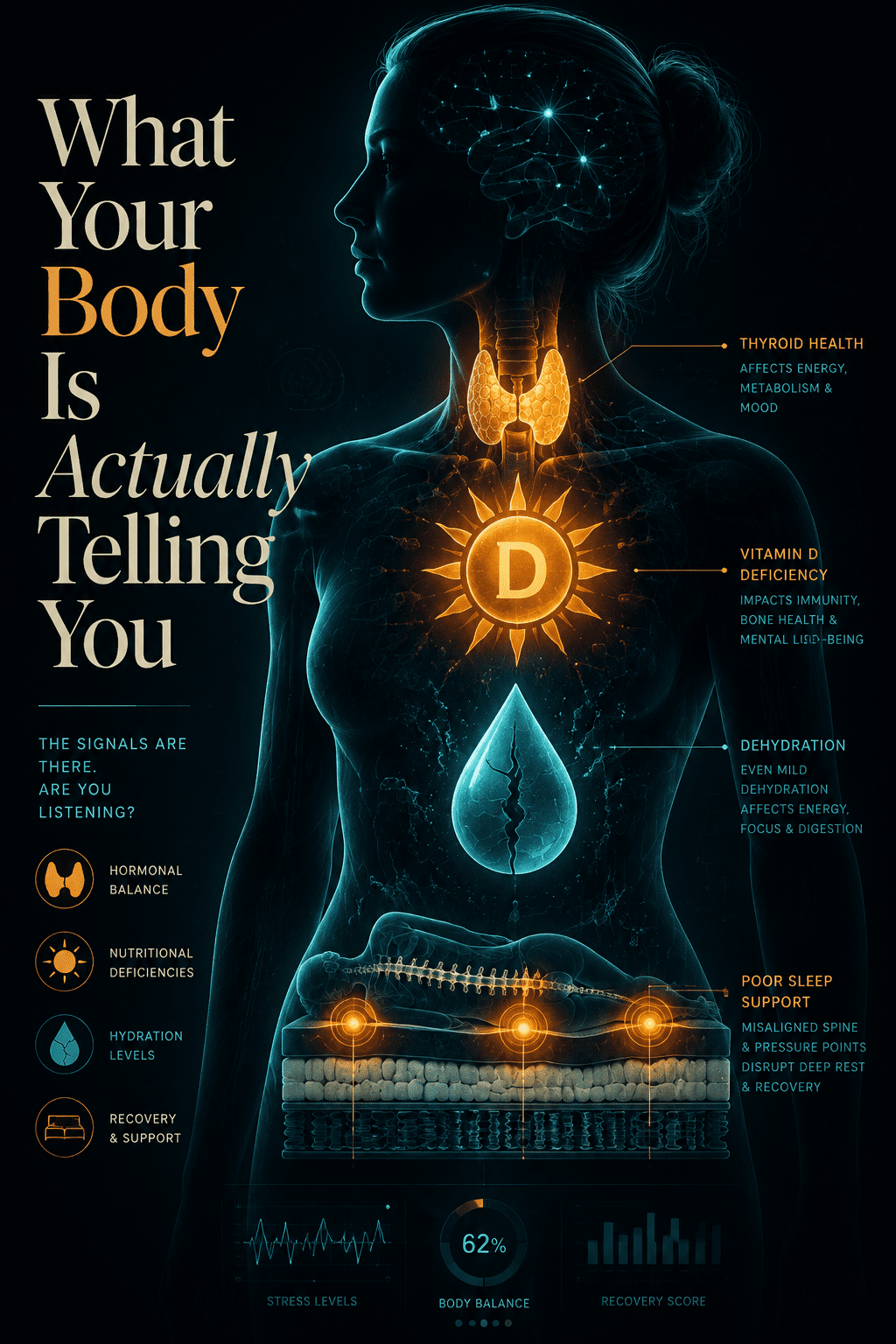
Yes. Low vitamin D and low magnesium are the two most consistently linked to sleep problems in the research. Vitamin D deficiency has been associated with shorter sleep duration and poorer sleep quality, and magnesium plays a direct role in regulating the nervous system and GABA activity – both of which affect how easily you fall and stay asleep.
Iron deficiency is also worth mentioning here because it’s closely tied to restless legs syndrome, which is one of the more disruptive insomnia causes people don’t know they have [1].
If you’ve been dealing with this for a while, it’s worth getting a basic blood panel that includes vitamin D, magnesium, ferritin (stored iron), and thyroid function. These are not exotic tests – your GP can order them. Many people find that a deficiency has been quietly running in the background for years.
I’m not suggesting supplements fix everything. But if your vitamin D is at 18 ng/mL and the normal range is 40-60, that’s a physiological problem, not a mindset problem.
Is Insomnia a Symptom of Something Else
Often, yes. Insomnia is frequently a symptom of an underlying medical condition rather than a standalone problem. This is sometimes called secondary or comorbid insomnia, and it’s more common than primary insomnia [1].
Medical conditions that commonly trigger insomnia include:
- Sleep apnea (you may not know you have it)
- Restless legs syndrome
- Thyroid disorders – both hypo and hyperthyroid
- Chronic pain conditions like arthritis or fibromyalgia
- Acid reflux or GERD, which worsens when lying down
- Neurological conditions including Parkinson’s disease [1]
- Diabetes, which can cause nighttime blood sugar fluctuations
- Heart disease and asthma [1]
The tricky part is that many of these conditions are subtle at first. Sleep apnea, for example, is often missed because the person doesn’t know they’re stopping breathing – they just know they wake up tired every day. If you snore, wake frequently, or feel unrefreshed no matter how long you sleep, it’s worth raising this with a doctor.
If you’re not sure where to start, this free and anonymous insomnia test can help you evaluate your symptoms: Take the free insomnia symptom test here – it takes about 2 minutes and asks about the past two weeks of your experience.
What Foods Make It Harder to Fall Asleep
Certain foods eaten in the 2-3 hours before bed can directly interfere with sleep. High-sugar foods cause blood sugar spikes and crashes that can wake you during the night. Spicy or acidic foods worsen reflux when you’re lying down. Alcohol is particularly deceptive – it helps you fall asleep but fragments the second half of your night significantly [4].
Tyramine-rich foods like aged cheese, cured meats, and red wine are stimulating and can delay sleep onset. Heavy, high-fat meals take longer to digest and raise your core body temperature, which works against sleep.
What’s less talked about: eating too little before bed can also disrupt sleep. A small drop in blood sugar at 2am is a real and common cause of waking that has nothing to do with anxiety.
The honest version is that no single food is going to fix or break your sleep on its own. But if you’re regularly eating a large meal, having a glass of wine, and going to bed within an hour – that’s a combination worth changing.
Can Room Temperature Affect Your Sleep Quality
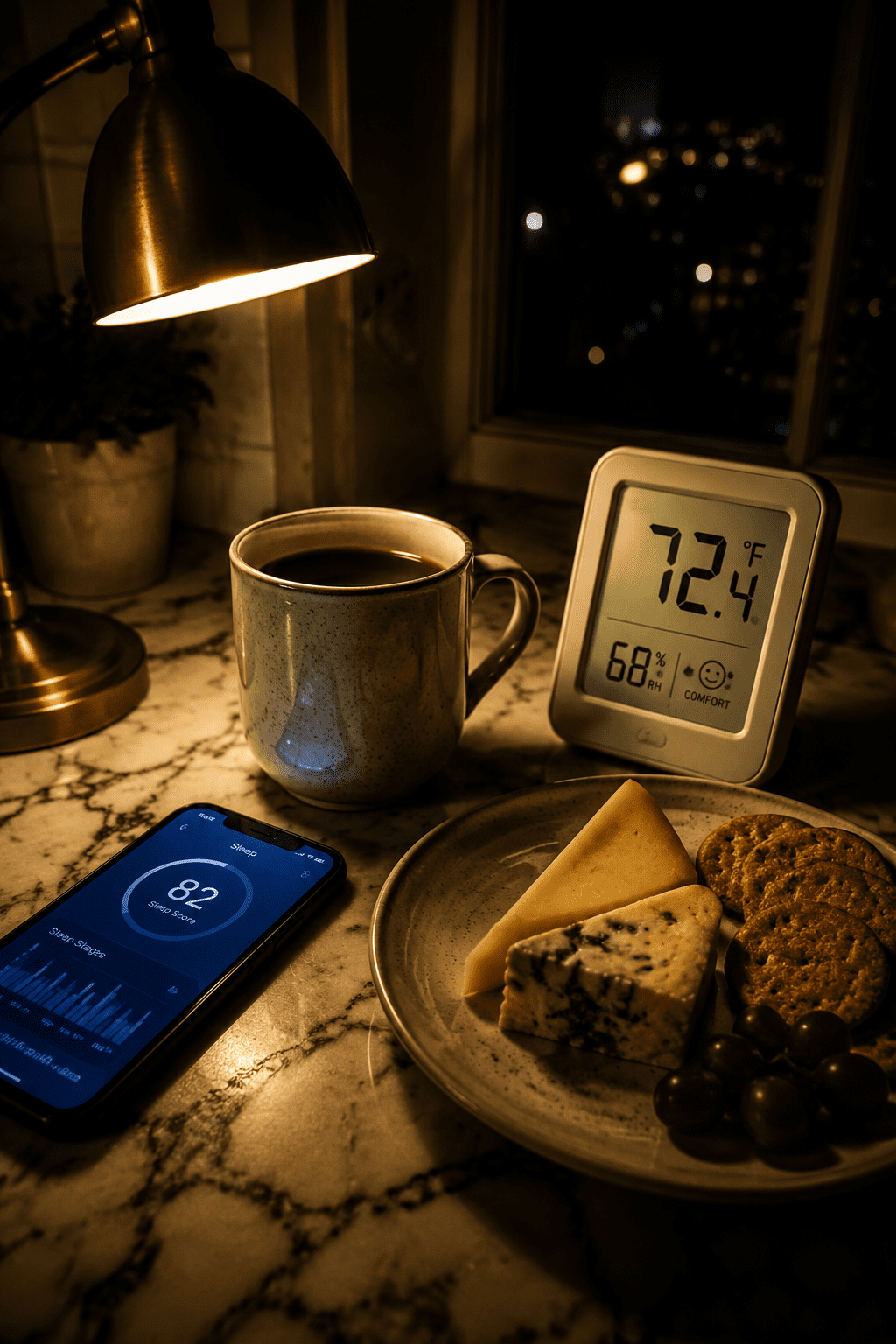
Room temperature has a direct, measurable effect on sleep quality. Your core body temperature needs to drop by about 1-2 degrees Fahrenheit to initiate and maintain sleep. If your room is too warm, this process is disrupted [2].
The research-backed range is roughly 65-68°F (18-20°C) for most adults. Most people sleep in rooms that are warmer than this, especially in summer or in older homes.
This is one of the simplest insomnia causes to fix, and it often produces noticeable results within a few nights. A cooler room, lighter bedding, or even just cracking a window can make a real difference – especially if you tend to wake up hot in the middle of the night.
Does Exercise Timing Matter for Sleep
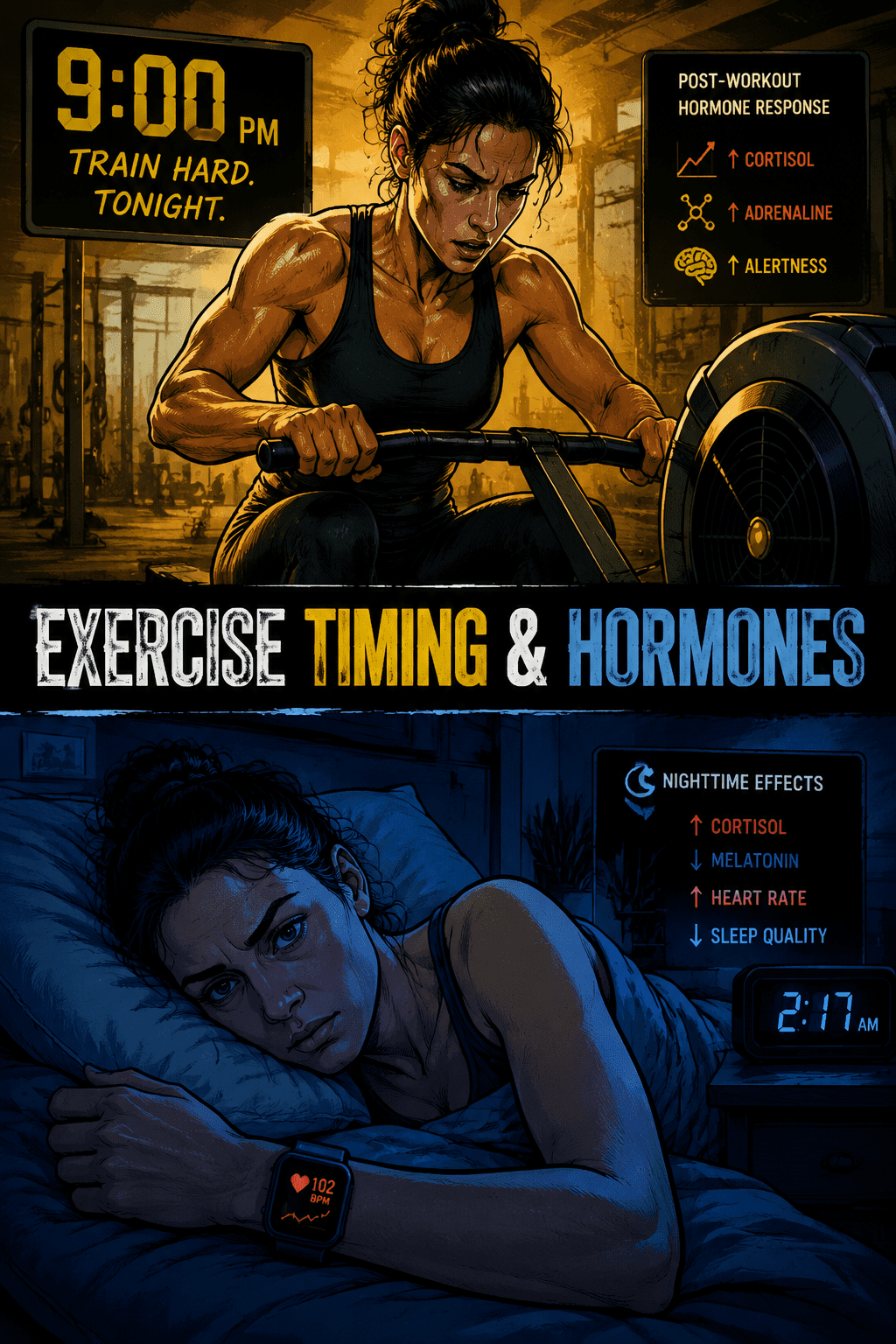
Yes, but it’s more nuanced than “don’t exercise at night.” Moderate exercise at any time of day generally improves sleep quality over the long term. The issue is with high-intensity exercise within 2-3 hours of bedtime, which raises core body temperature and cortisol levels in ways that can delay sleep onset [4].
That said, some people sleep fine after evening workouts. If you exercise at 8pm and sleep well, don’t change it. But if you’re struggling to fall asleep and you train hard in the evening, it’s worth experimenting with morning or afternoon sessions for a few weeks.
The bigger point: regular exercise is one of the most evidence-backed non-pharmaceutical tools for improving sleep. Not exercising at all is a more common insomnia cause than exercising at the wrong time.
Can Hormonal Changes Cause Insomnia
Hormonal shifts are a significant and often underrecognized insomnia cause – and this applies to more people than just those going through menopause. Estrogen and progesterone both affect sleep regulation, which is why sleep problems often worsen during the luteal phase of the menstrual cycle, during perimenopause, and postpartum [3].
Testosterone also plays a role in sleep architecture. Low testosterone in men has been linked to reduced slow-wave sleep and more frequent nighttime waking.
Thyroid hormones are another piece of this. Hyperthyroidism (overactive thyroid) is a classic but often missed insomnia cause – it revs up your metabolism and nervous system in ways that make it genuinely hard to wind down, regardless of how calm your life is.
If you’re a woman between 35 and 55 and your sleep has changed noticeably in the past year or two without an obvious reason, hormones are worth discussing with your doctor. This isn’t a vague suggestion – there are specific tests and, in some cases, treatments that can help.
If you’ve been dealing with this for a while and want to understand your symptoms better, this free anonymous insomnia assessment is worth a few minutes: Take the insomnia symptom test here.
What’s the Difference Between Insomnia and Just Being Tired
Tiredness and insomnia are not the same thing, and confusing them leads to the wrong solutions. Tiredness is a physical state – your body wants rest. Insomnia is a condition where you can’t sleep even when you have the opportunity and you’re physically tired.
The key distinction: if you fall asleep the moment your head hits the pillow, you’re sleep-deprived, not insomniac. If you lie awake for 30-60 minutes despite being exhausted, that’s insomnia.
This matters because the fixes are different. Sleep deprivation is solved by more sleep. Insomnia requires addressing the underlying cause – which is exactly what this article is about. For a deeper look at why you might be tired but unable to sleep, this piece on why you can’t sleep at night even when you’re tired covers it well.
How Do You Know If Your Mattress Is Causing Sleep Problems
Your mattress may be contributing to your insomnia if you consistently sleep better in other beds – hotels, guest rooms, or even a couch – than you do in your own. Chronic pain, pressure points, or waking up stiff are also signs.
Most mattresses have a functional lifespan of 7-10 years. Beyond that, they lose support in ways that affect spinal alignment and cause micro-arousals throughout the night – brief awakenings you may not remember but that fragment your sleep significantly [2].
The honest version is that a bad mattress rarely causes insomnia on its own, but it can make every other insomnia cause harder to manage. If you’re already dealing with pain, temperature regulation issues, or light sleep, a worn-out mattress amplifies all of it.
Can Dehydration Keep You Awake at Night
Yes, though this one surprises most people. Dehydration can cause leg cramps, dry mouth, and a drop in melatonin production – all of which can disrupt sleep or cause waking in the night.
The tricky balance: drinking too much water close to bedtime means waking to use the bathroom. The goal is to be well-hydrated throughout the day so you’re not playing catch-up in the evening.
A practical rule: if you’re waking between 2-4am with leg cramps or a dry throat and you haven’t had much water during the day, try increasing your daytime water intake for a week before assuming something more complex is going on.
Conclusion
If you’ve been doing everything “right” and still can’t sleep, the problem probably isn’t your willpower or your attitude toward sleep. There are real, physiological insomnia causes that have nothing to do with stress – and most of them are identifiable and fixable once you know what to look for.
Start by ruling out the most common ones: medications, caffeine timing, room temperature, and vitamin deficiencies. These are low-effort to investigate and can produce quick results. Then look at the bigger picture – hormones, underlying medical conditions, and sleep disorders like apnea or restless legs.
You don’t have to fall asleep – you just have to rest. But finding the actual cause is what makes rest possible.
Practical next steps:
- Review your medications with your doctor and ask specifically about sleep side effects
- Get a basic blood panel including vitamin D, magnesium, ferritin, and thyroid
- Lower your room temperature to 65-68°F and track your sleep for one week
- Cut caffeine before 2pm for two weeks – not forever, just to test
- If you suspect a sleep disorder, ask your GP for a referral to a sleep specialist
For more on what actually moves the needle, see 15 insomnia tips that actually work when nothing else has and how to stop insomnia by fixing small habits.
Still not sure what’s driving your sleep problems? This free, anonymous insomnia test evaluates your symptoms from the past two weeks and takes about 2 minutes: Take the insomnia symptom test here. (Note: This is an affiliate link. Napsology may earn a small commission if you choose to use the linked service. This does not affect the price you pay or the editorial independence of this content. Always consult a qualified healthcare provider for medical advice.)
Frequently Asked Questions
Q: Can insomnia have a physical cause with no psychological component?
Yes. Medical conditions like sleep apnea, thyroid disorders, chronic pain, and restless legs syndrome can cause insomnia entirely independently of stress or anxiety. These are physiological insomnia causes that require medical evaluation, not just behavioral changes [1].
Q: What is the most common overlooked cause of insomnia?
Medications are probably the most overlooked. Many people don’t connect a new prescription with a change in their sleep, especially if the medication isn’t obviously stimulating. Antidepressants, corticosteroids, and blood pressure drugs are frequent culprits [1].
Q: Can low vitamin D actually cause insomnia?
Research links low vitamin D levels to shorter sleep duration and poorer sleep quality. It’s not a guaranteed cause-and-effect, but if your vitamin D is deficient, correcting it is a reasonable step before trying more complex interventions.
Q: Does alcohol help or hurt sleep?
Alcohol helps you fall asleep faster but significantly disrupts the second half of your night. It suppresses REM sleep and causes more frequent waking after the initial sedative effect wears off [4]. It’s a net negative for sleep quality.
Q: How do I know if I have sleep apnea?
Common signs include loud snoring, waking with a dry mouth or headache, feeling unrefreshed after a full night’s sleep, and daytime fatigue. A partner may notice you stopping breathing. Diagnosis requires a sleep study, which your doctor can arrange [1].
Q: Can eating late cause insomnia?
Eating a large or spicy meal within 2-3 hours of bed can worsen acid reflux, raise core body temperature, and disrupt sleep. High-sugar foods can also cause blood sugar fluctuations that trigger waking in the night [4].
Q: Is insomnia genetic?
There is evidence of a genetic component. A family history of insomnia does increase your risk of developing it [5]. However, genetics is rarely the only factor – environment, habits, and medical conditions all interact with genetic predisposition.
Q: What room temperature is best for sleep?
Most sleep research points to 65-68°F (18-20°C) as the optimal range for most adults. Your body needs to lower its core temperature to initiate sleep, and a cool room supports that process [2].
Q: Can dehydration cause insomnia?
Yes. Dehydration can cause leg cramps, dry mouth, and reduced melatonin production – all of which can disrupt sleep or cause waking. The fix is better daytime hydration, not drinking more water right before bed.
Q: How long does caffeine affect sleep?
Caffeine has a half-life of 5-7 hours in most people. A 3pm coffee still has significant caffeine activity at 8-9pm. For people who metabolize caffeine slowly, the effect can last even longer [4].
References
[1] What Causes Insomnia – https://www.sleepfoundation.org/insomnia/what-causes-insomnia
[2] Insomnia: Causes – https://stanfordhealthcare.org/medical-conditions/sleep/insomnia/causes.html
[3] Understanding Insomnia Basic Information – https://www.webmd.com/sleep-disorders/understanding-insomnia-basic-information
[4] Insomnia: Symptoms and Causes – https://www.mayoclinic.org/diseases-conditions/insomnia/symptoms-causes/syc-20355167
[5] Insomnia: Causes – https://www.nhlbi.nih.gov/health/insomnia/causes